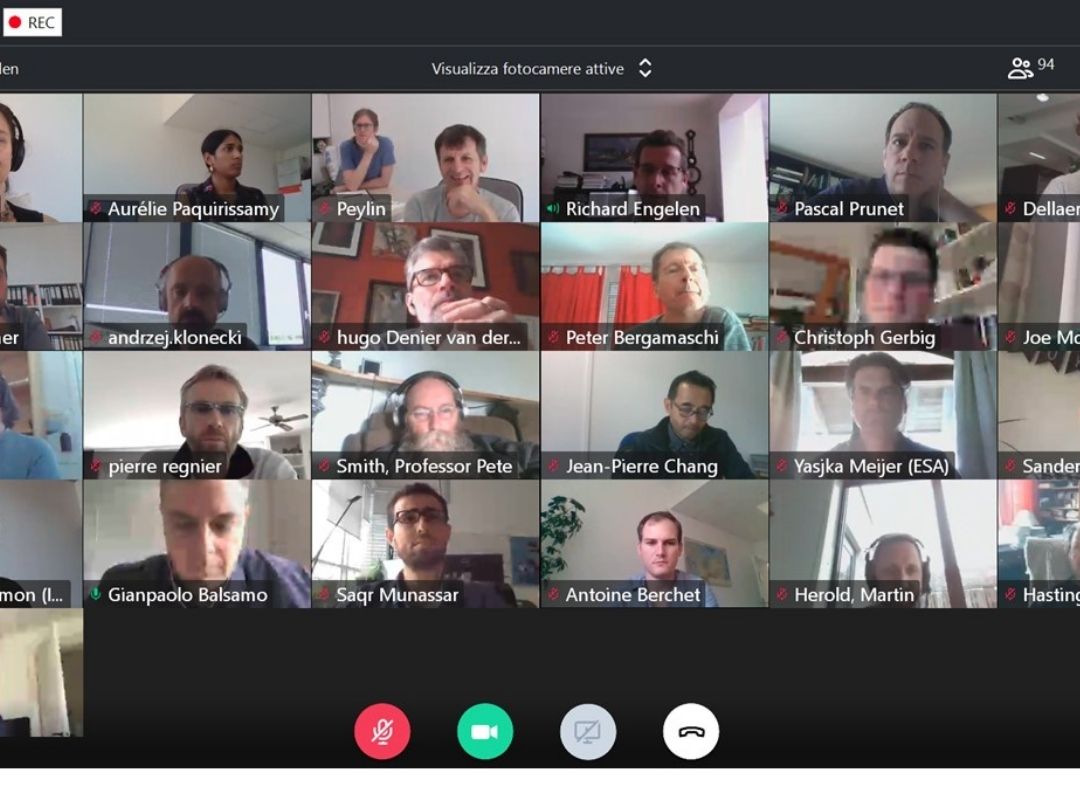
The Joint General Assembly organized by VERIFY and CHE projects was successfully held with more than 100 participants for the 5 sessions (two hours each) distributed over 3 days from 7 to 9 July.
NEWS
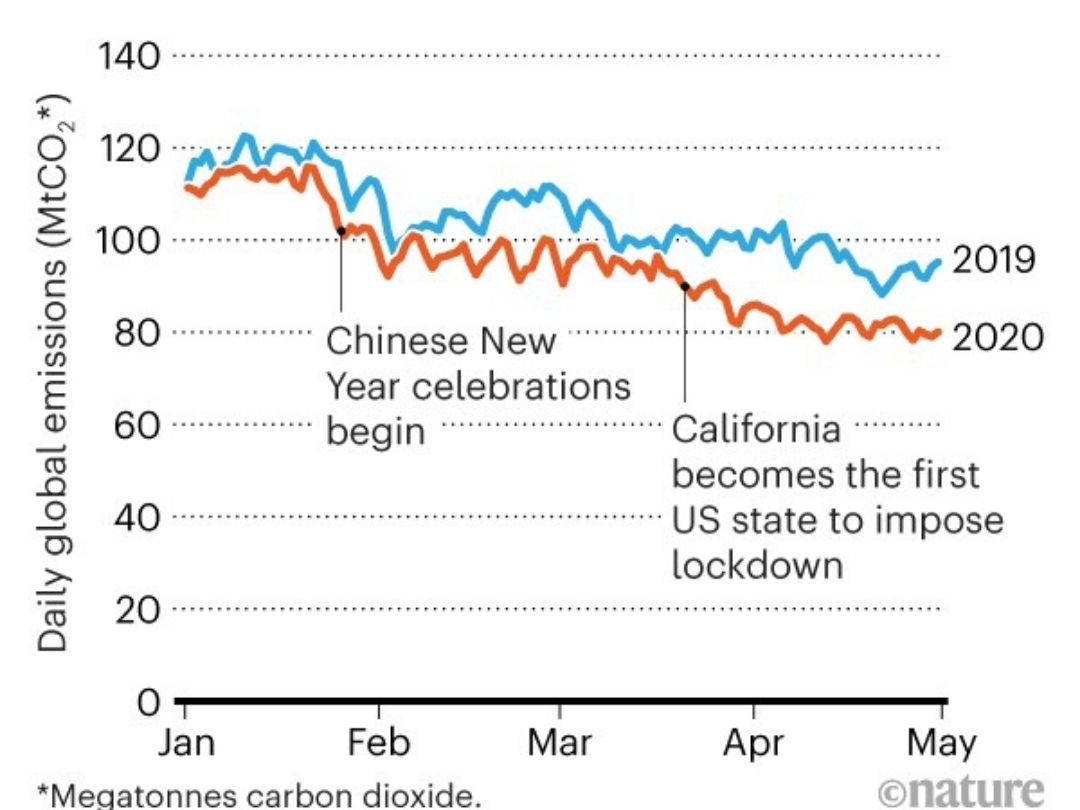
Coherent analysis of COVID-19 impact on GHG emissions from two recent studies
The global lockdown caused by the COVID-19 had an extreme effect on daily carbon emissions and has raised international researchers’ interest. Among them, two international teams have come to the same conclusion: carbon emissions fell by more than one billion tons in the first four months of the year compared with the same period in 2019. These two international teams are led by Corinne Le Quéré and Philippe Ciais, two researchers involved in the VERIFY project.

European emission of greenhouse gases resulting from land use analyzed for the first time
A team of international researchers from the VERIFY project has carried out a comparative analysis of the emission of the three main greenhouse gases - carbon dioxide, methane and laughing gas - resulting from the agriculture, forestry and other land uses (AFOLU) sector in Europe.

Global Carbon Budget 2019
The Global Carbon Budget 2019 was presented during a side event at the COP25 on December 4, 2019 as a major collaboration between 76 people, 58 organisations and over 13 countries to which VERIFY is one of the main funding schemes.
VERIFY at the COP25 in Madrid, 3rd and 4th December 2019
VERIFY was present during the COP 25 to acknowledge the project in front of the scientific community and the decision makers through various members: Glen Peters from CICERO, Matt Jones and Corinne le Quéré from UEA, Emanuel Salmon and Werner Kutsch from ICOS-ERIC.
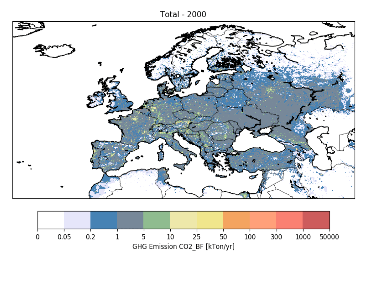
Quantification and spatial distribution of CO2 emissions due to biofuel combustion in Europe
Biofuel combustion is increasing across Europe. VERIFY researchers are working to separate and quantify CO2 emissions from biofuel combustion to ensure that likely future intensification supports international climate objectives.
CHE-VERIFY Joint General Assembly 2020
The CHE-VERIFY Joint General Assembly 2020 toke place in Varese, Italy between 23rd to 26th of March 2020.
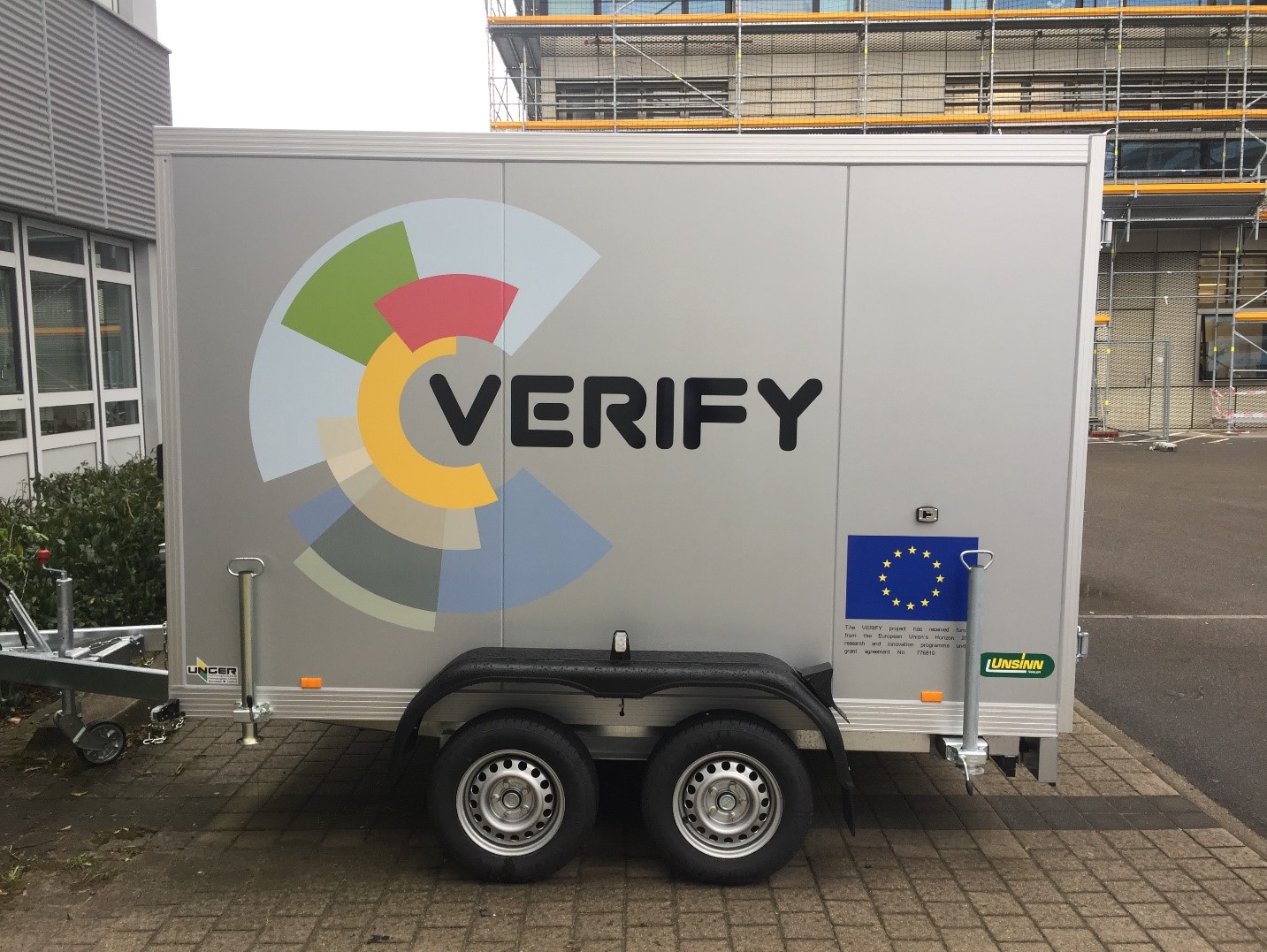
Mobile measurement stations for in-situ measurements of source sector dominated proxy/ffCO2 ratios
In an effort to measure in-situ effective atmospheric proxy/ffCO2 ratios, two mobile measurement stations will be used to sample atmospheric trace gas concentrations in close proximity to specific sources.
Source sector-dominated measurements allow us to estimate in-situ "real air" proxy/ffCO2 ratios with higher certainty. We will focus on domestic heating (campaign planned for February 2020) and road traffic (campaign planned for May 2020). The trailers will soon contain the in-situ measurement laboratories. They will each be equipped with in-situ instruments for CO2, CO and NOx as well as a flask sampler and meteorology sensors. Multiple sampling lines will sample from a telescope mast reaching up to 10 meters in height. The entire trailer is air conditioned to allow high-precision measurements. Each trailer also has the infrastrecture to accomodate mobile total column instruments (EM27 and Skyspec) on its roof.

Figure 1 : One of the VERIFY mobile measurement stations
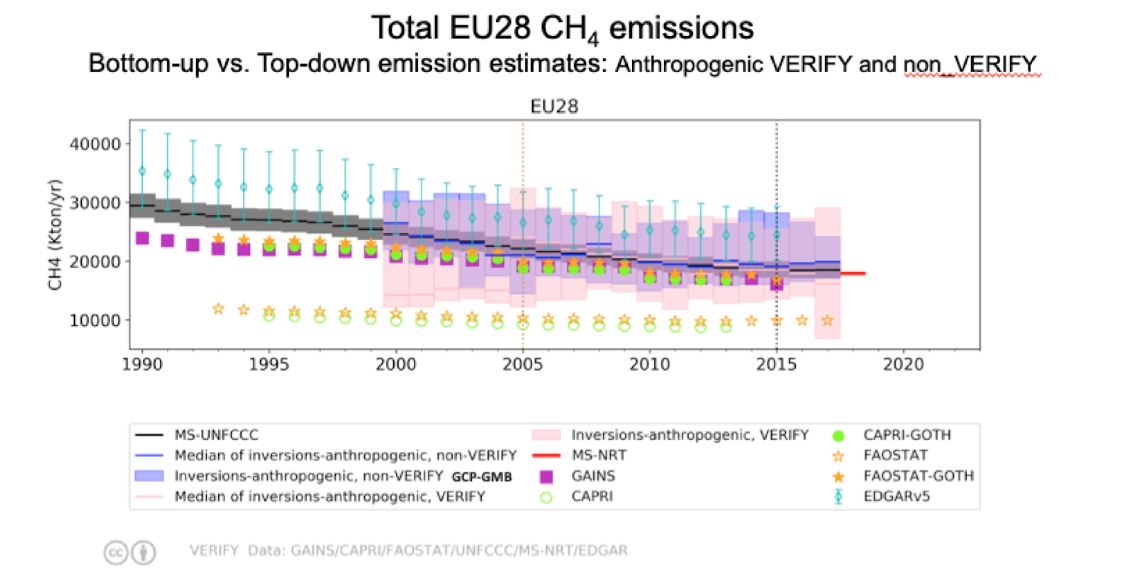
First Green House Gas synthesis workshop of the VERIFY project (November 2019): data-driven versus the UNFCCC CO2/CH4/N2O flux estimates
The workshop helded in Paris was about one of the project’s primary goals: synthesizing a variety of scientific bottom-up and top-down modeling approaches for comparison with national inventory reports for three important greenhouse gases.
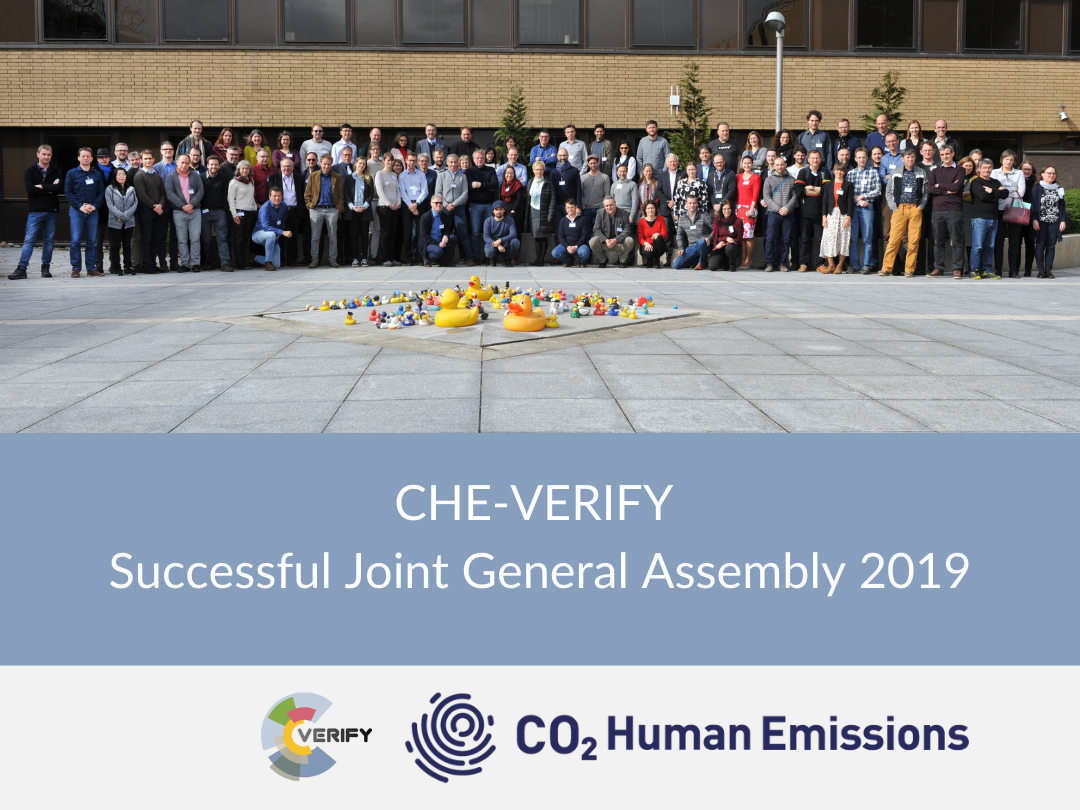
CHE-VERIFY Successful Joint General Assembly 2019
The CHE-VERIFY Joint General Assembly 2019 brought together partners of the two Horizon2020 funded projects along with external advisors for discussions on CHE and VERIFY work packages, project progress and linkages between the projects.